Immediate and early implant placement
Immediate and early implant placement to preserve important bone and soft-tissue structures.
Timing
Placing an implant straight after extraction
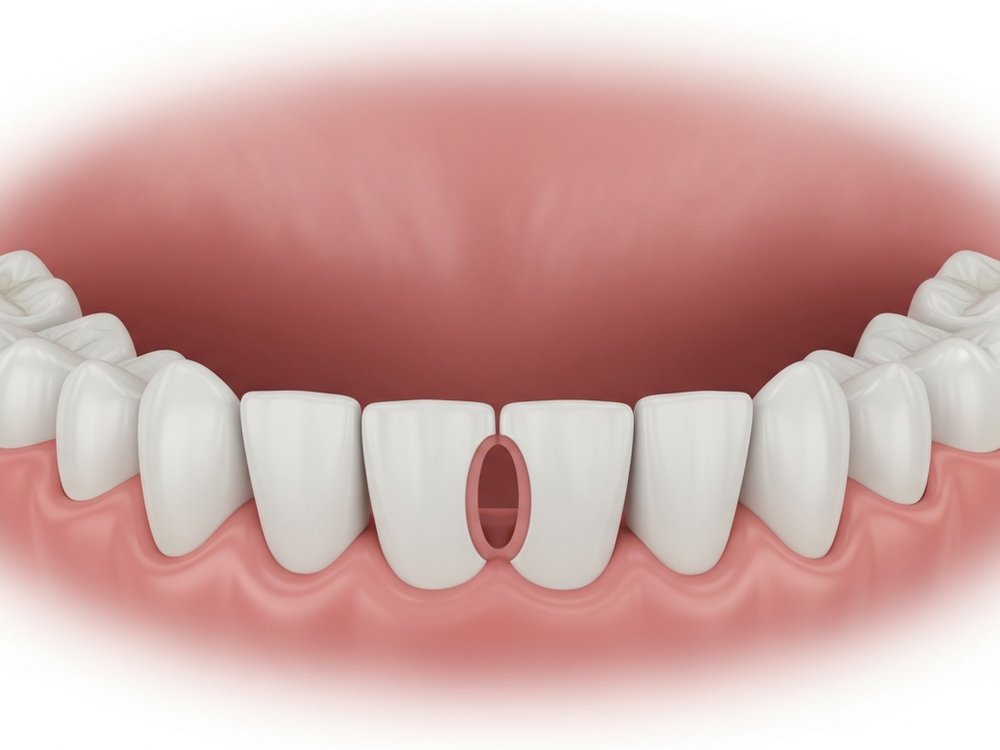
Before deciding to remove a tooth that is clinically no longer worth saving, immediate implant placement can be planned in selected cases. The implant is then placed directly after the extraction. Immediate placement is possible in all regions of the jaw. Successful healing requires a starting situation free of inflammation and anatomically favourable – a socket free of infection with enough bone for a solid implant site.
Immediate or early placement can be recommended in individual cases in order to preserve important bone and soft-tissue structures. At the time of extraction, an alveolar ridge unchanged in height and width is generally still available to take the implant. It matters that the socket has remained intact and stable. Preserving bone and soft tissue can support a pleasing aesthetic result.
Delayed immediate placement
With delayed immediate placement, several weeks generally pass between extraction and placement, during which the soft tissue can heal; the risk of infection is low. Nor can the bone recede so far in that time that the implant's stable hold would be endangered.
With immediate and delayed immediate placement the implants must not be loaded. Only after the healing phase do they sit securely. Loading too early endangers healing and can cost the implant.
The key points at a glance
- In immediate placement the implant is placed in the same socket directly after the tooth is removed.
- This requires a starting situation free of inflammation with enough bone available.
- With delayed immediate placement, several weeks pass between extraction and placement, during which the soft tissue heals.
- Implants placed immediately must also not be loaded during the healing phase.
Answered briefly