Influencing the body's natural healing processes
As an implant heals, the plasma is intended to stimulate the tissue around it to heal.
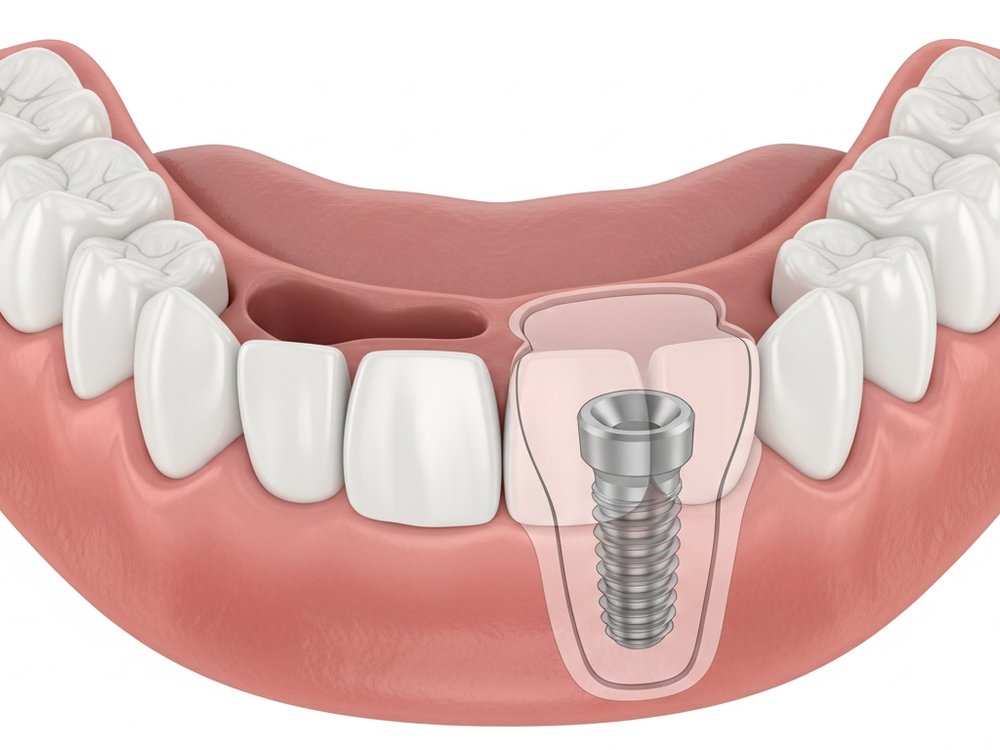
Healing
The patient's own growth factors
New developments in biomedical technology are said to make it possible to influence and encourage the natural healing processes of human tissue.
When injured, the human body releases special proteins that stimulate its own healing processes. Regenerative medicine makes use of this self-healing mechanism to speed up the regeneration of soft tissue and bone after surgery. To activate the healing processes, a small quantity of the patient's own blood, around 30 to 40 ml, is taken from a vein in the arm before treatment. A special preparation process then yields blood plasma that has a positive effect on recovery. For patients, treatment with these autologous preparations is intended to speed wound healing after surgery and to allow faster bone regeneration where grafting is involved.
As an implant heals, the plasma is intended to stimulate the tissue around it to heal and to help the implant fuse better with the bone.
Preparing the blood
The blood taken from the patient is processed in a special centrifuge, separating the plasma from the other blood components. The aim is to isolate and extract the patient's own growth factors from the blood in order to obtain the proteins essential for regeneration and what is known as platelet-rich fibrin.
The technique is called PRGF (preparation rich in growth factors). When an injury occurs, human blood normally initiates a healing response, and the PRGF technique makes use of these natural properties. Because only the body's own substances are used, allergic reactions and the risks that come with foreign materials should be ruled out.
The key points at a glance
- When injured, the body releases proteins that stimulate its own healing processes.
- Regenerative medicine uses this mechanism to support the regeneration of soft tissue and bone.
- For that, around 30 to 40 millilitres of the patient's own blood is taken from a vein in the arm before treatment and processed.
Answered briefly